
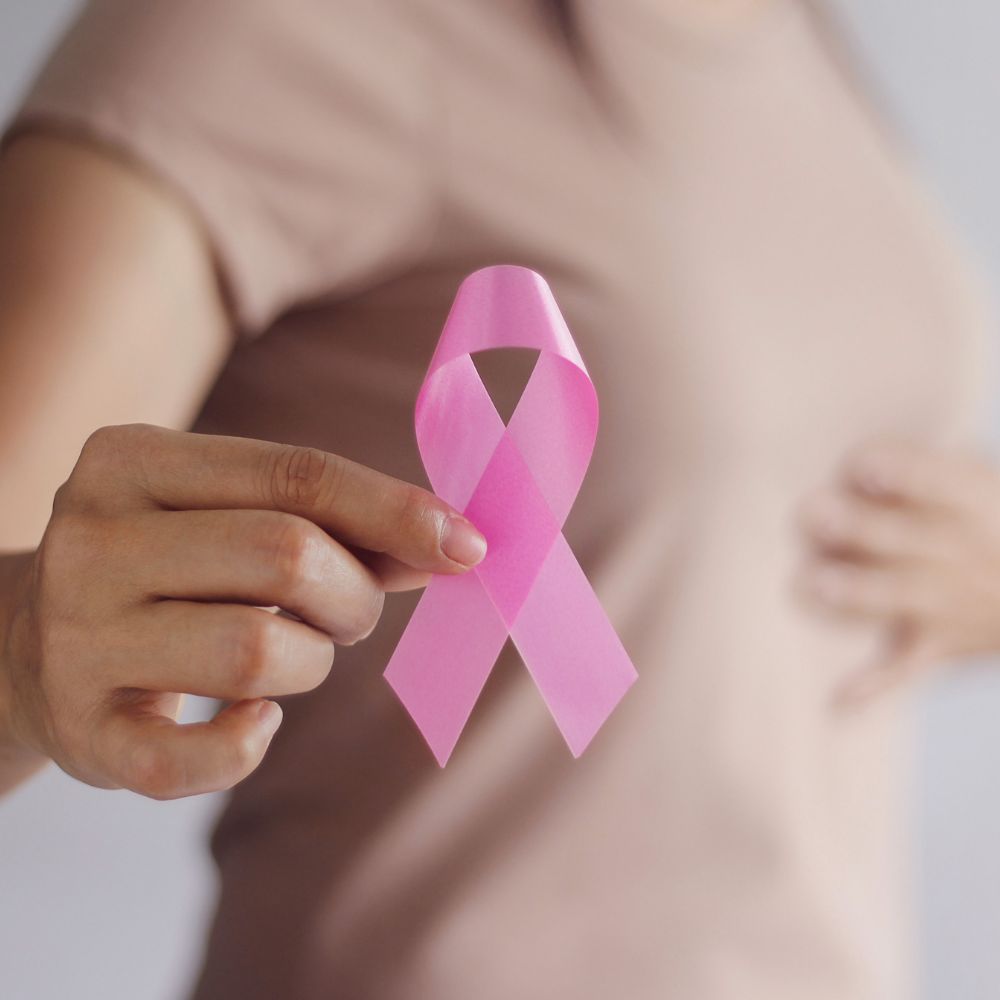
 Breast cancer is a significant health concern, and early detection is key to successful treatment and improved survival rates. One popular question about early detection is when should women start performing breast self-exams (BSE).
The Role of Breast Self-Exams (BSE)
Breast self-exams involve a woman checking her own breasts for lumps, changes, or abnormalities. Please keep in mind that BSE is not a substitute for mammograms or clinical breast exams.
The knowledge and understanding we get from self-exams helps empowers us recognize potential warning signs, such as:
- Lumps or thickening in the breast tissue
- Changes in the size, shape, or appearance of the breasts
- Unexplained pain in a specific area that does not go away
- Changes in the skin texture or color, such as dimpling or redness
- Nipple discharge that occurs without squeezing, particularly if it is bloody
Recommended Age for Starting Self-Exams
There is no consensus among major health organizations about the recommended age to start BSE. However, many experts suggest that women in their 20’s should become familiar with their breasts and what is the normal look and feel of their breasts. Any changes that are found should then be reported to a healthcare provider right away.
Statistics on Self-Exams
Studies have shown mixed results regarding the effectiveness of BSE in reducing breast cancer mortality. A large study conducted in China found no significant difference in breast cancer mortality between women who performed regular self-exams and those who did not. However, BSE can lead to earlier detection of lumps or changes, prompting women to seek medical advice sooner.
When to Seek Medical Attention
Regardless of age or breast self-exam routine, it’s important to consult a healthcare professional if you notice any of the following:
- A new lump or mass
- Persistent pain in one area of the breast
- Changes in breast size, shape, or appearance
- Nipple discharge that is not milk
- Skin changes such as redness, dimpling, or puckering
While there is no strict age requirement for beginning breast self-exams, developing a routine in your 20’s can be beneficial for becoming familiar with your breasts and identifying any changes early on. Remember, breast self-exams are just one part of a comprehensive approach to breast health, which includes regular screenings and consultations with healthcare professionals. Staying informed and proactive is key to early detection and successful treatment outcomes.
The content of this article is for informational purposes only and is not intended to be a substitute for professional medical advice.