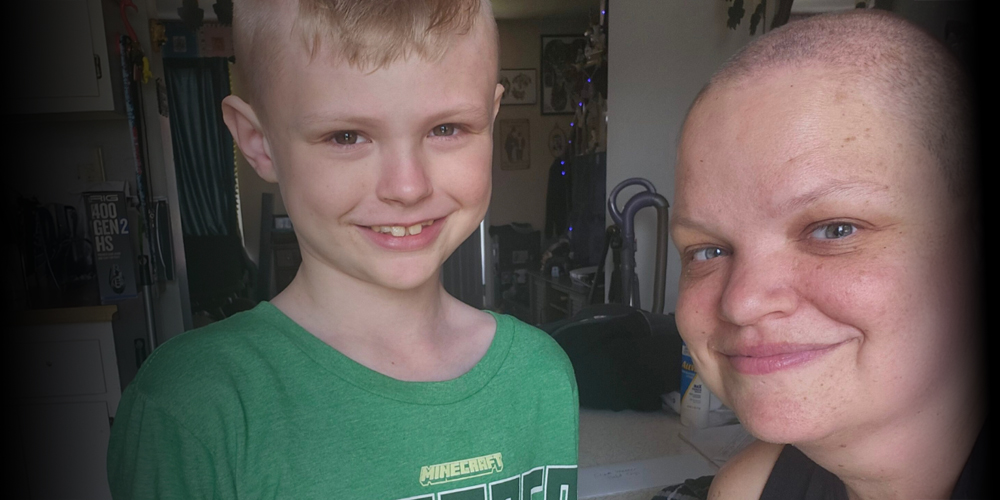

 Cancer treatment can be a challenging journey, not only because of the disease itself but also due to the side effects that accompany treatments like chemotherapy, radiation, and surgery. Fatigue, nausea, and other common issues can significantly impact a patient’s quality of life. However, there are effective strategies for managing these side effects.
Coping with Fatigue
Fatigue is a frequent and debilitating side effect of cancer treatment, often described as an intense exhaustion that rest or sleep can’t relieve. Unlike regular tiredness, cancer-related fatigue can significantly impact daily life, hinder emotional well-being, and reduce overall quality of life. It may be triggered by the treatment process itself, as well as stress, pain, or poor nutrition. Effectively managing fatigue is essential for preserving energy and enhancing overall health during treatment. Here are some tips to help you cope with this challenge:
Prioritize Rest and Sleep
Ensure you get enough sleep at night and take short naps during the day if needed. However, avoid long naps that can interfere with sleep. Fight Like a Girl Facebook community members highly encourage listening to your body and resting when necessary. One FLAG Sister commented, “If you are tired, rest. Go easy on yourself. You are going through a lot, and some days it takes a lot out of you. Accept help from others.”
Stay Active
Light to moderate physical activity can help boost energy levels and reduce fatigue. Exercise has been shown to improve physical function and reduce cancer-related fatigue. Chair yoga and walking specifically have proven to be great ways for many people to stay active day-to-day.
Nutrition and Hydration
Eating a balanced diet rich in fruits, vegetables, and proteins can provide essential nutrients that help you maintain your strength as you combat treatment side effects. Staying hydrated is equally important, as dehydration can worsen fatigue.
Managing Nausea
Nausea and vomiting are common side effects of chemotherapy and radiation therapy, often triggered by certain medications, strong smells, or even anxiety about treatment. If not managed properly, these symptoms can lead to dehydration, malnutrition, and increased fatigue, making recovery more challenging. It’s important to identify triggers and take proactive steps to minimize discomfort. Here are some strategies to help control nausea and maintain overall well-being during treatment:
Medications
Anti-nausea medications prescribed by your doctor can be very effective. It is essential to take them as directed, even before you start feeling nauseous. A few FLAG members described their experiences online and explained that it’s important to keep up with prescriptions, especially anti-nausea medications – because once you fall behind with taking meds, it can be difficult to catch back up to the routine. One FLAG sister added that she found setting alarms as reminders to take her meds help ensure she didn’t fall behind.
Dietary Changes 

Eating small, frequent meals rather than three large meals can help manage nausea. Avoiding greasy, fried, or spicy foods and eating bland, easy-to-digest foods like crackers, toast, and rice can also be beneficial. Some of our fellow FLAG Sisters fan favorite “sick” foods include Jell-O, noodles, and saltine crackers.
Hydration and Dry Mouth
Sipping clear fluids like water, broth, or herbal tea throughout the day can help keep nausea at bay. Ginger tea or ginger ale may also help soothe a sore or dry throat. To help prevent dry mouth, one can eat something tart, suck on hard candy, frozen fruit, or popsicles, and continue to drink water throughout the day.
Addressing Other Common Issues
Cancer treatment can lead to a range of side effects, including hair loss, mouth sores, and changes in appetite, which can affect both physical comfort and emotional well-being. While these challenges can be difficult, there are ways to manage them and maintain a better quality of life during treatment. Here are some practical tips to help you cope with these common side effects:
Hair Loss
Using gentle, sulfate-free hair care products and avoiding heat styling can help minimize hair damage and scalp irritation during cancer treatment. Keeping hair moisturized and handling it with care—such as using a wide-tooth comb and avoiding tight hairstyles—can also reduce breakage. For those experiencing hair loss, wigs, hats, scarves, or soft head coverings can provide both comfort and confidence. Choosing what feels best for you can help maintain a sense of normalcy and self-expression during treatment.
Mouth Sores
Keeping your mouth clean by brushing gently with a soft-bristled toothbrush and rinsing with a mild saltwater solution can help prevent infections. Avoiding acidic or spicy foods can reduce irritation.
Appetite Changes
If you’re experiencing a loss of appetite, try to eat small, nutrient-dense meals and snacks throughout the day. Drinking nutritional supplements can help ensure you’re getting the necessary nutrients. Protein shakes are a great way to increase intake without eating large amounts of foods. One of our followers responded to a question about loss of appetite on Facebook and said, “I drank high protein shakes. No particular brand, just find a flavor you like.”
Managing the side effects of cancer treatment is crucial for maintaining a good quality of life during this challenging time. By incorporating these tips and working closely with your healthcare team, you can find strategies that work best for you. Always communicate openly with your doctors about any side effects you’re experiencing, as they can provide additional support and adjust treatments as needed.
The content of this article is for informational purposes only and is not intended to be a substitute for professional medical advice.