
 Life can be a delicate dance between holding on to hope, facing the harsh realities of our circumstances, and letting our fears determine worst-case scenarios. Whether dealing with a life-threatening illness, pursuing a challenging career path, or navigating the ups and downs of personal relationships, finding the right balance between fear, hope, and reality can shape our experiences and determine our resilience.
The Nature of Hope
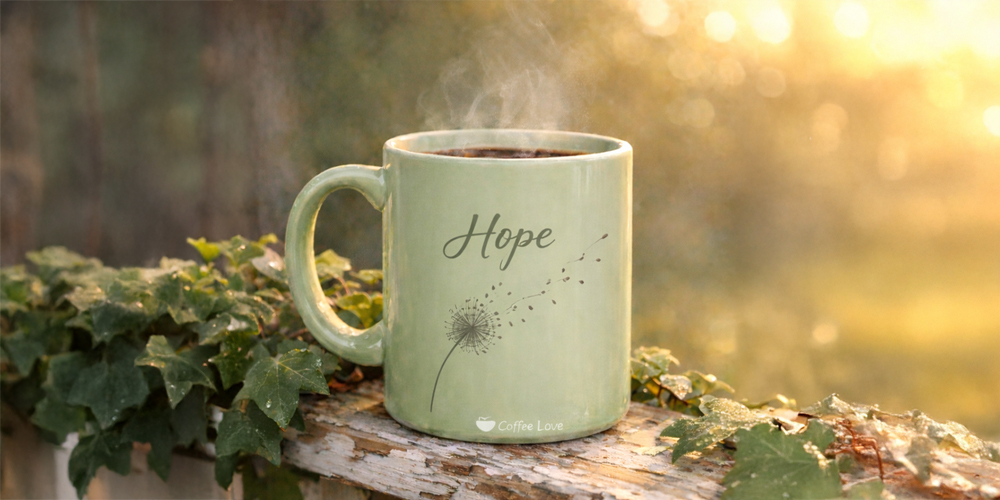
Hope is a powerful force that propels us forward, even in the darkest times. It is the belief that better days are ahead, that our struggles are temporary, and that we have the strength to overcome adversity. Hope gives us the courage to face difficult situations, motivates us to take action, and provides comfort in the face of uncertainty. For many, hope is a lifeline—a source of strength that enables them to keep moving forward despite the odds.
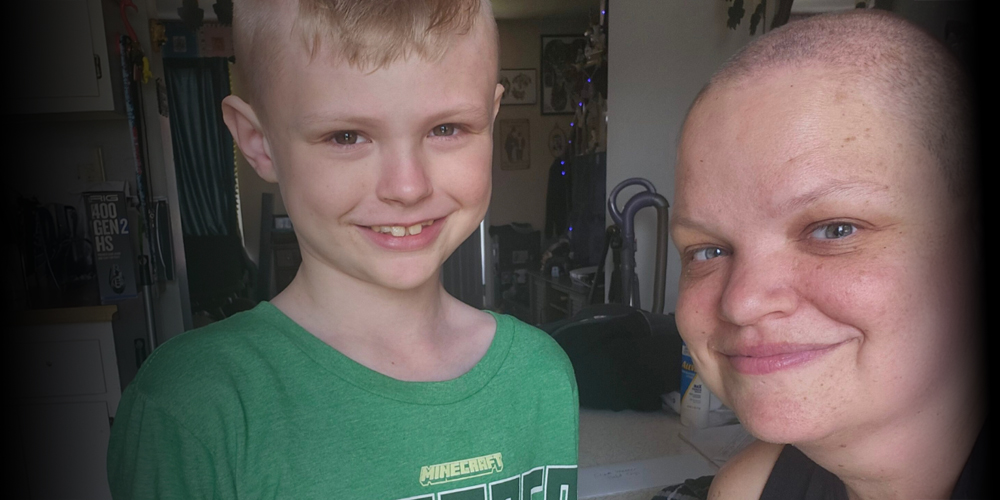
In the context of illness, hope can manifest as recovery and remission, the effectiveness of a new treatment, the example of others overcoming the same illness, or simply the desire to make the most of each day, no matter how challenging. In other areas of life, hope may take the form of witnessing little victories within one’s life, finding love, or the possibility of creating a better future.
The Presence of Fear
Fear is a natural human emotion that often arises when we face uncertainty or perceive a threat to our well-being. It is a powerful force that can protect us by prompting caution, but it can also paralyze if given the chance. Fear can manifest in many forms: fear of the unknown, fear of failure, fear of loss, or fear of pain. When dealing with a serious illness, fear might involve worries about treatment, side effects, disease progression, or even mortality. In other areas of life, fear might revolve around the risk of pursuing a new career path, starting or ending a relationship, or making a significant life change.
Fear, if not managed properly, can overshadow any hope we have, and skew our perception of reality. It can lead to anxiety, avoidance, and a sense of helplessness. However, fear can also be a catalyst for growth, prompting us to confront our vulnerabilities and build resilience.
The Reality Check
While hope is essential and fear is inevitable, it is equally important to stay grounded in reality. Reality is the acknowledgment of the facts and circumstances we face, no matter how difficult they may be. It is the recognition that not all outcomes are within our control and that sometimes, things may not turn out how we think they will.
Facing reality can be painful, especially when it involves accepting a difficult diagnosis, acknowledging a personal failure, or coming to terms with the end of something significant in our lives. However, embracing reality is not about giving up hope or giving into fear; it is about being honest with ourselves and recognizing the challenges we face so that we can make informed decisions and prepare for whatever comes next.
The Dance Between Hope, Reality, and Fear
Balancing hope, reality, and fear is not easy. The interplay between  these emotions can create internal conflict, leaving us unsure of how to proceed. Too much hope without a grounding in reality can lead to denial and unrealistic expectations. Focusing solely on reality without allowing space for hope can lead to despair and hopelessness. Allowing fear to dominate can prevent us from taking necessary risks or moving forward.
Finding the right balance requires self-awareness, emotional resilience, and the willingness to navigate uncertainty. It involves acknowledging our fears and vulnerabilities while nurturing the belief that we have the strength and resources to cope with whatever comes our way.
Lessons in Balancing Hope and Reality
- Set Realistic Expectations: While it is important to have aspirations and dreams, setting realistic expectations can help prevent disappointment. This does not mean lowering your standards or giving up on your goals; it means being honest about what is possible and recognizing that progress may be slow or require adjustments along the way.
- Seek Support: Balancing hope and reality can be challenging, especially when dealing with difficult situations. Seeking support from friends, family, or a mental health professional can provide valuable perspective, encouragement, and guidance. Talking about your fears and hopes with someone you trust can help you process your emotions and develop a more balanced outlook.
- Focus on What You Can Control: In any situation, there are factors within our control and those beyond it. Focusing on what you can control—such as your attitude, actions, and decisions—can help you feel more empowered and less overwhelmed. At the same time, accepting what is beyond your control allows you to let go of unrealistic expectations and focus on what matters most.
- Celebrate Small Wins: Even in the face of adversity, there are often small victories worth celebrating. Acknowledging and celebrating these wins can help foster a sense of hope and progress, even when the larger goal feels distant or uncertain.
The Growth That Comes from Balance
 Balancing hope, fear, and reality is not just about managing expectations; it is about growing as a person. It is about learning to navigate life’s uncertainties with grace and resilience, about understanding that both joy and pain are part of the human experience, and about finding meaning in our struggles and triumphs.
Balancing hope, fear, and reality takes time to learn and practice. It requires patience, self-compassion, and a willingness to face uncertainty with an open heart. By embracing hope, fear and reality, we can navigate life’s challenges with greater resilience and grace, finding strength in our ability to hope for the best while preparing for whatever can come our way.
Ultimately, finding balance is not a destination but a journey—a journey that teaches us to live fully, love deeply, and grow continuously. And in this journey, we find not only the strength to endure but also the wisdom to thrive.
The content of this article is for informational purposes only and is not intended to be a substitute for professional medical advice.