

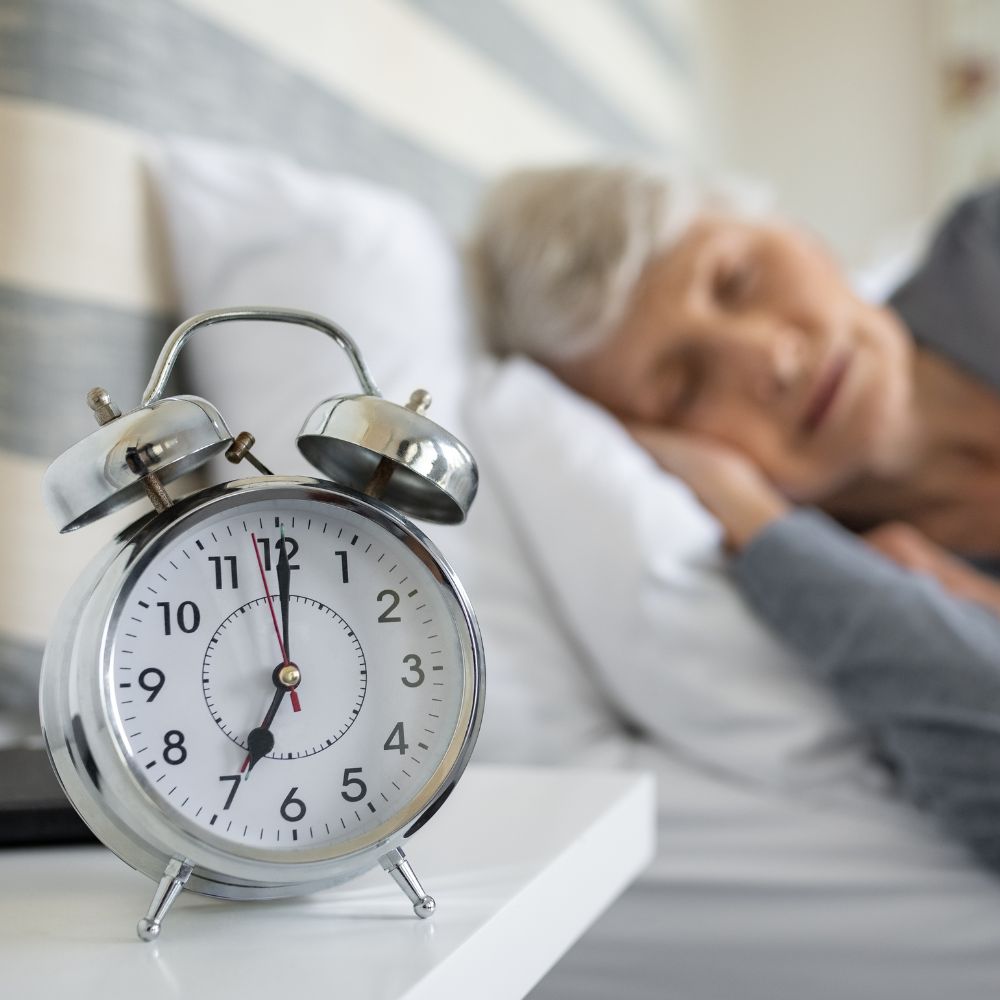
 As we age, we often face various health challenges, among which sleep issues are particularly prevalent. Two of the most common sleep disorders in older women are insomnia and sleep apnea. These conditions can significantly impact overall well-being, making it crucial to address them effectively.
Insomnia in Older Women
Insomnia, characterized by difficulty falling or staying asleep, is a common issue among older women. Factors contributing to insomnia include hormonal changes during menopause, medical conditions, medications, and psychological stressors.
I was excited to do research for this article, as my mom struggles with insomnia. She is able to quickly fall asleep, but doesn’t stay asleep throughout the night. Through talking with her about her experiences, I have learned that a lot of friends her age struggle with the same issue.
Sleep Apnea in Older Women
Sleep apnea is another significant sleep disorder affecting older women. This condition involves repeated interruptions in breathing during sleep, leading to poor sleep quality and various health complications. Obstructive sleep apnea (OSA), the most common form, occurs when the throat muscles intermittently relax and block the airway. The American Journal of Respiratory and Critical Care Medicine highlights that the prevalence of OSA increases with age, and older women are at a higher risk due to factors like obesity and menopause.
Tips for Improving Sleep Quality
- Maintain a Consistent Sleep Schedule: Going to bed and waking up at the same time every day helps regulate the body’s internal clock. Consistency in sleep patterns can significantly improve sleep quality.
- Create a Relaxing Bedtime Routine: Engage in calming activities before bed, such as reading, listening to soothing music, or practicing meditation. Avoid stimulating activities and electronic devices that emit blue light, as they can interfere with the production of the sleep hormone, melatonin.
- Optimize the Sleep Environment: Ensure that the bedroom is conducive to sleep. This includes having a comfortable mattress and pillows, keeping the room cool, dark, and quiet, and removing any distractions.
- Limit Caffeine and Alcohol Intake: Both caffeine and alcohol can disrupt sleep. It is advisable to avoid consuming these substances, especially in the hours leading up to bedtime.
- Stay Physically Active: Regular physical activity can promote better sleep. However, it is important to avoid vigorous exercise close to bedtime, as it can be stimulating and make it more difficult to fall asleep.
- Manage Stress and Anxiety: Chronic stress and anxiety are major contributors to sleep problems. Practices such as mindfulness, deep breathing exercises, and yoga can help reduce stress levels and promote relaxation.
Addressing Sleep Apnea
For those suffering from sleep apnea, medical intervention is often necessary. Continuous positive airway pressure (CPAP) therapy is a common treatment that helps keep the airway open during sleep. Weight management and lifestyle changes, such as quitting smoking and reducing alcohol consumption, can also be beneficial in managing sleep apnea symptoms.
Sleep issues such as insomnia and sleep apnea are common among older women and can have a profound impact on their quality of life. By adopting healthy sleep habits and seeking appropriate treatment when necessary, older women can improve their sleep quality and overall well-being. Prioritizing sleep health is essential for maintaining a healthy and active lifestyle in the later years.
The content of this article is for informational purposes only and is not intended to be a substitute for professional medical advice.