
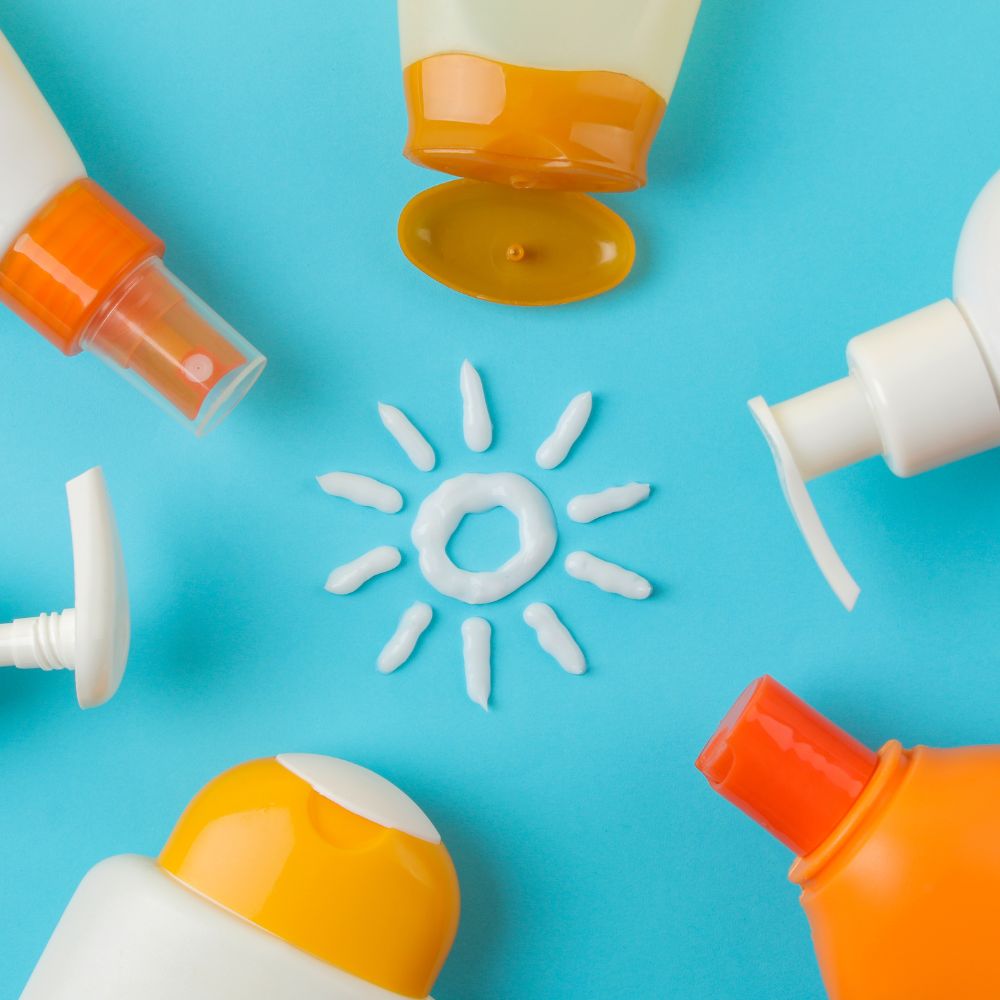
Who’s ready for summer?! The time of year where many of us try to spend as much time outside as we can. More often than not, sun protection isn’t the first thing we think about when we are heading outside. Has anyone else tried to convince themselves it’s okay to not worry about sun protection if you won’t be outside that long?
It’s important to remember that sun protection isn’t just about preventing sunburns or maintaining youthful skin—it can be a matter of life and death, especially for individuals taking specific medications or battling diseases like cancer.
Exposure to ultraviolet (UV) radiation from the sun can exacerbate the side effects of medications and increase the risk of skin damage and complications for those already facing health challenges.
Sunlight Sensitivity Risk Factors
Certain medications, such as antibiotics, diuretics, acne treatments, antidepressants, 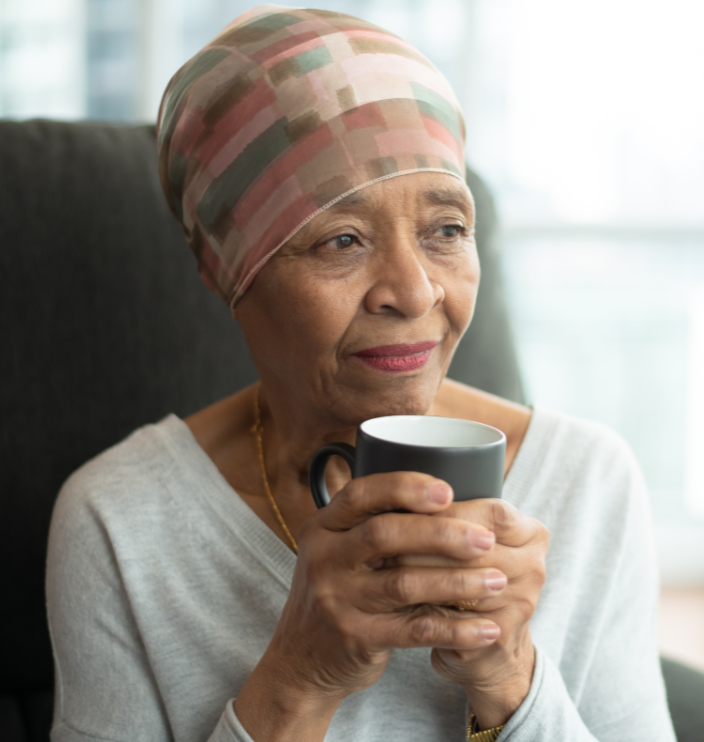 and even some over-the-counter pain relievers, can make the skin more sensitive to sunlight. This heightened sensitivity, known as photosensitivity, can lead to severe sunburns, rashes, or other adverse reactions even with minimal sun exposure. It is crucial for individuals taking medications to be aware of potential photosensitivity risks and take appropriate sun protection measures.
In addition to medications, certain diseases and medical conditions can also increase someone’s sensitivity to sunlight. For example, individuals with autoimmune diseases like lupus or certain types of skin conditions may experience heightened sun sensitivity, leading to increased risk of sunburns and skin damage.
Cancer patients undergoing treatments such as chemotherapy, radiation therapy, or immunotherapy may have compromised skin defenses, making them more susceptible to sunburn and other sun-related complications. Mary Brown, NP, explained that when someone who is going through or recently went through chemotherapy spends as little as 10 minutes outside without sun protection, they can experience blisters and swelling. Furthermore, someone receiving radiation therapy could have treatment delayed until their sunburn is healed.
When going out in the sun, please keep the following in mind:
Sunscreen
- It is recommended to apply a broad-spectrum sunscreen with SPF 30 or higher to all exposed skin and reapply every 2 hours if not more frequently.
- It’s important to remember that everyone’s skin is different and there are multiple factors to take into consideration, some of us may need to reapply sunscreen as soon as every hour. For instance, my healthcare providers have told me I should reapply sunscreen every hour because of my fair skin and the medication I take.
- If you are swimming or sweating, it is recommended that you use a water-resistant sunscreen and reapply every 80 minutes.
- Some sunscreens may irritate those with sensitive skin. If you have sensitive skin, you can look for fragrance-free, hypoallergenic, or mineral based sunscreens.
Protective Clothing
- Skin Cancer Foundation states that clothing is the most effective
 form of sun protection and recommends covering up with lightweight, tightly woven clothing, a wide-brimmed hat, and sunglasses with UV protection to shield the skin and eyes from harmful UV rays.
 - UPF (ultraviolet protection factor) shirts are becoming more popular and can be found at many retail stores.
- The long sleeve UPF shirts that I have feel similar to dri-fit active shirts and have really helped when I am doing yardwork.
- Hats can help protect your scalp, face and neck which can prevent basal cell and squamous cell carcinomas since most of them appear on the head and neck.

Shade
- It is recommended to limit direct sun exposure, especially during peak sun hours between 10 am and 4 pm
- It is encouraged that you seek shade whenever possible even if that means taking breaks to sit in the shade periodically.
Hydration
- It is important to stay hydrated when outside in the hot weather and sunshine. Please make sure you are drinking plenty of water.
This summer let’s enjoy our time outside while we all strive to shield our skin from damaging sun rays.
References:
American Academy of Dermatology (AAD). “Medication-Induced Photosensitivity.”
Lydia Fernandez. University of Rochester Medical Center. July 2017. “Sun Protection is Crucial During, After Treatment.”
Skin Cancer Foundation. July 2022. “All About Sunscreen.”
Skin Cancer Foundation June 2019. “Sun Protective Clothing.”
The content of this article is for informational purposes only and is not intended to be a substitute for professional medical advice.