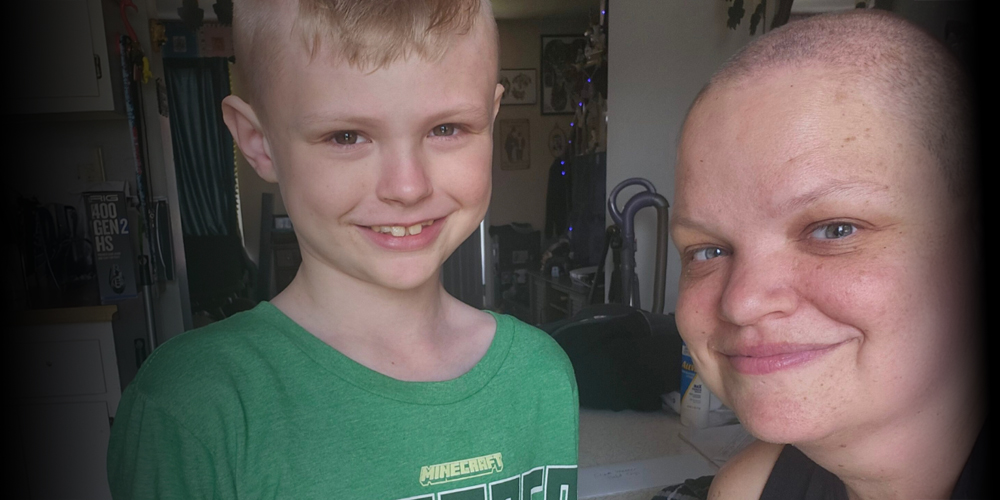

When you’re facing a life-altering diagnosis like cancer, living with chronic pain, or carrying the weight of emotional trauma, the mental and emotional toll can be overwhelming. Anxiety, depression, fatigue, sleepless nights, and a sense of disconnection can become daily battles. In these moments, it’s easy to feel like you’ve lost control—not just of your body, but of your peace, your breath, and your sense of self.
You’re not alone. Many women have found that while we can’t always change our circumstances, we can learn to anchor ourselves within them. Mindfulness is one powerful way to do that. It doesn’t require perfection, a quiet mind, or hours of free time—just a willingness to pause and reconnect with yourself.
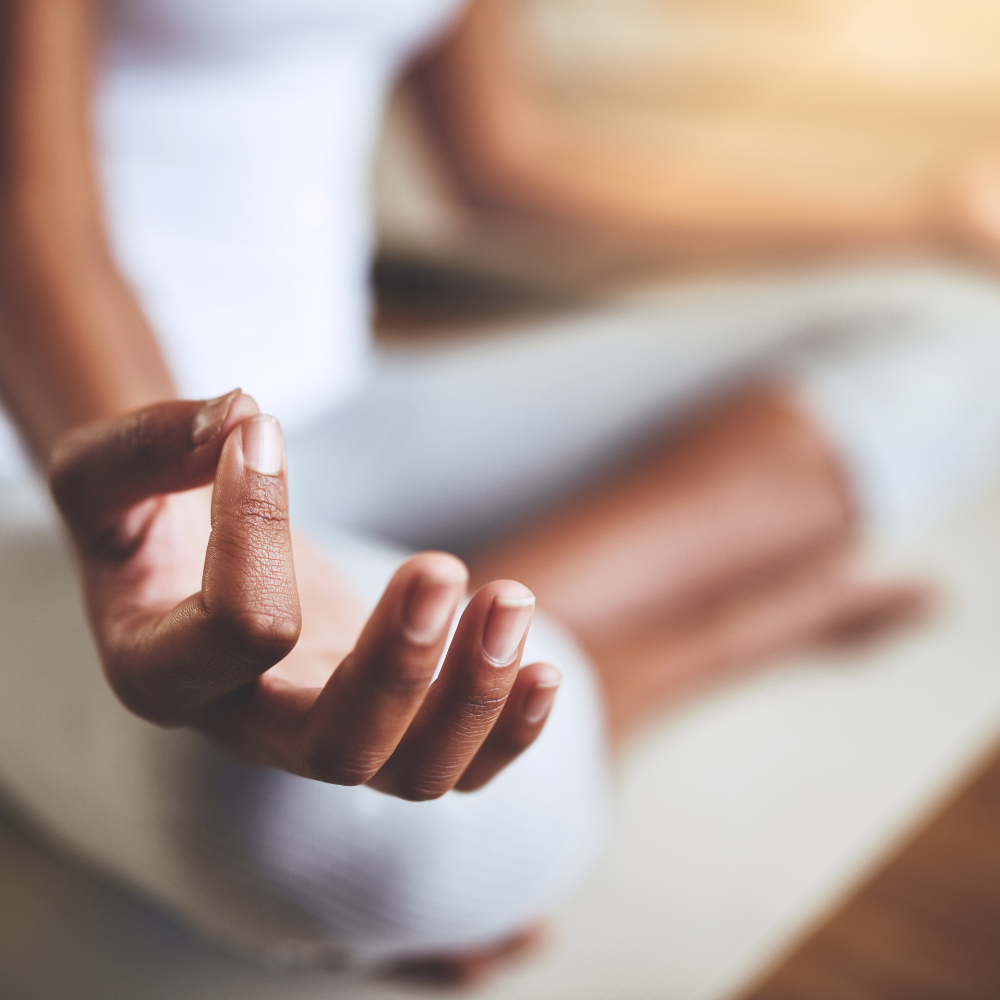
Mindfulness is the practice of bringing gentle, non-judgmental awareness to the present moment. Backed by growing research and used in hospitals, cancer centers, and mental health clinics around the world, mindfulness has been shown to help people:
- Relax and reduce physical tension
- Manage negative thoughts and emotional overwhelm
- React less impulsively to stress and triggers
- Reduce fatigue and mental exhaustion
- Improve sleep quality and restfulness
- Alleviate symptoms of anxiety and depression
- Lower blood pressure and heart rate
- Strengthen immune system function
Below are some common mindfulness techniques that can offer relief—whether you’re in treatment, recovery, caregiving, or navigating trauma. Each one is simple, adaptable, and trauma-informed, helping you feel more grounded and in control, even when life feels uncertain.
The 5-4-3-2-1 Grounding Technique
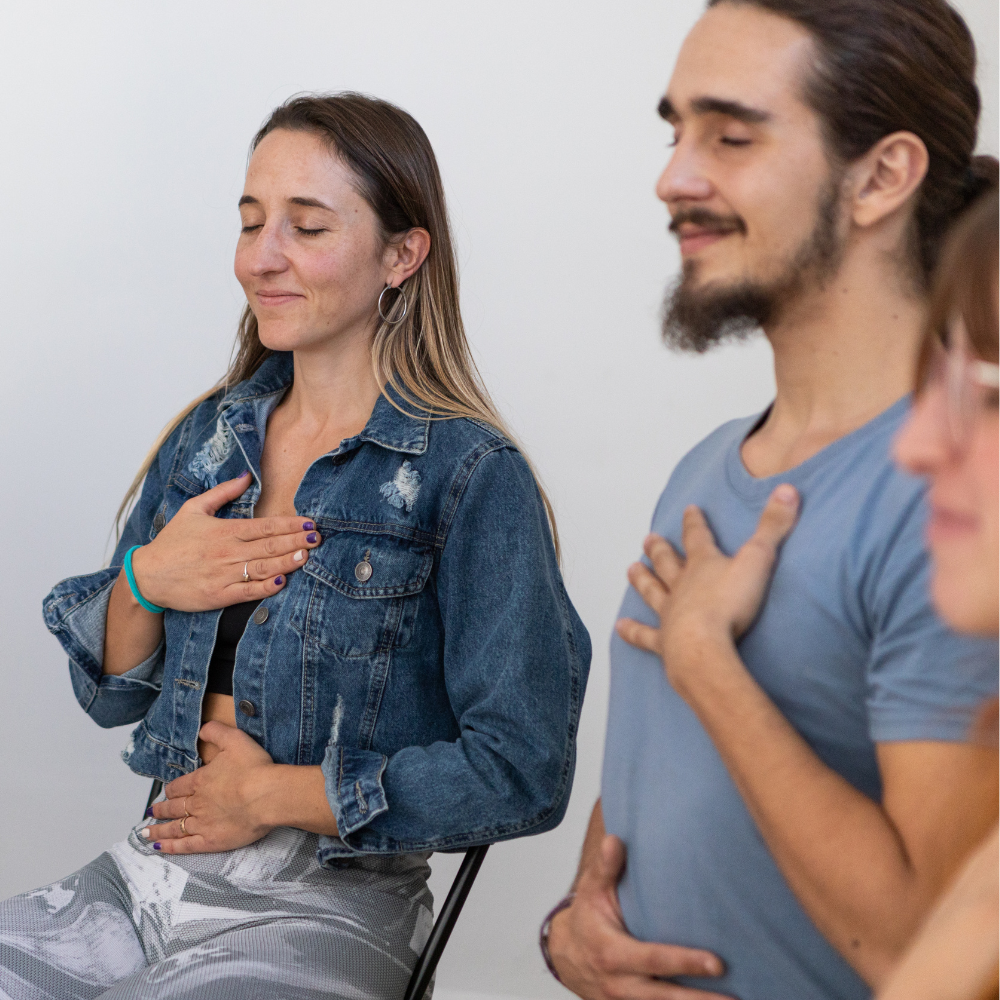
This sensory-based exercise helps anchor you in the present moment when panic, fear or anxiety strikes.
- 5 things you can see
- 4 things you can touch
- 3 things you can hear
- 2 things you can smell
- 1 thing you can taste
By engaging your senses, this technique redirects focus from anxious thoughts to being present with our immediate environment, promoting calmness. It’s especially helpful during treatment sessions or in moments of panic or uncertainty.
Mindful Breathing
Conscious breathing activates the body’s relaxation response, reducing stress hormones like cortisol. Practicing slow, deep breaths can lower anxiety levels, lessen pain and improve overall well-being.
A simple breathing exercise is known as box breathing. To execute this exercise:
Inhale through your nose for 4 seconds → Hold for 4 seconds → Exhale through your mouth for 4 seconds→ Hold for 4 seconds and continue to repeat this cycle for 1–5 minutes.
Body Scan Meditation
This practice involves paying close attention to different parts of your body, from head to toe, noticing what’s going on around you and how it makes you feel.
It’s particularly beneficial for those experiencing chronic pain, as it fosters a deeper connection with bodily sensations and can help in managing discomfort.
Regular practice can lead to increased body awareness and pain tolerance.
Mindful Journaling
Writing down your thoughts and feelings can be a powerful tool for self-reflection and emotional regulation. Journaling can help identify patterns of worry, release tension, and highlight gratitude—even in dark times.
Consider setting aside a few minutes each day to write about your experiences, challenges, and things you’re grateful for. Or try prompts like: 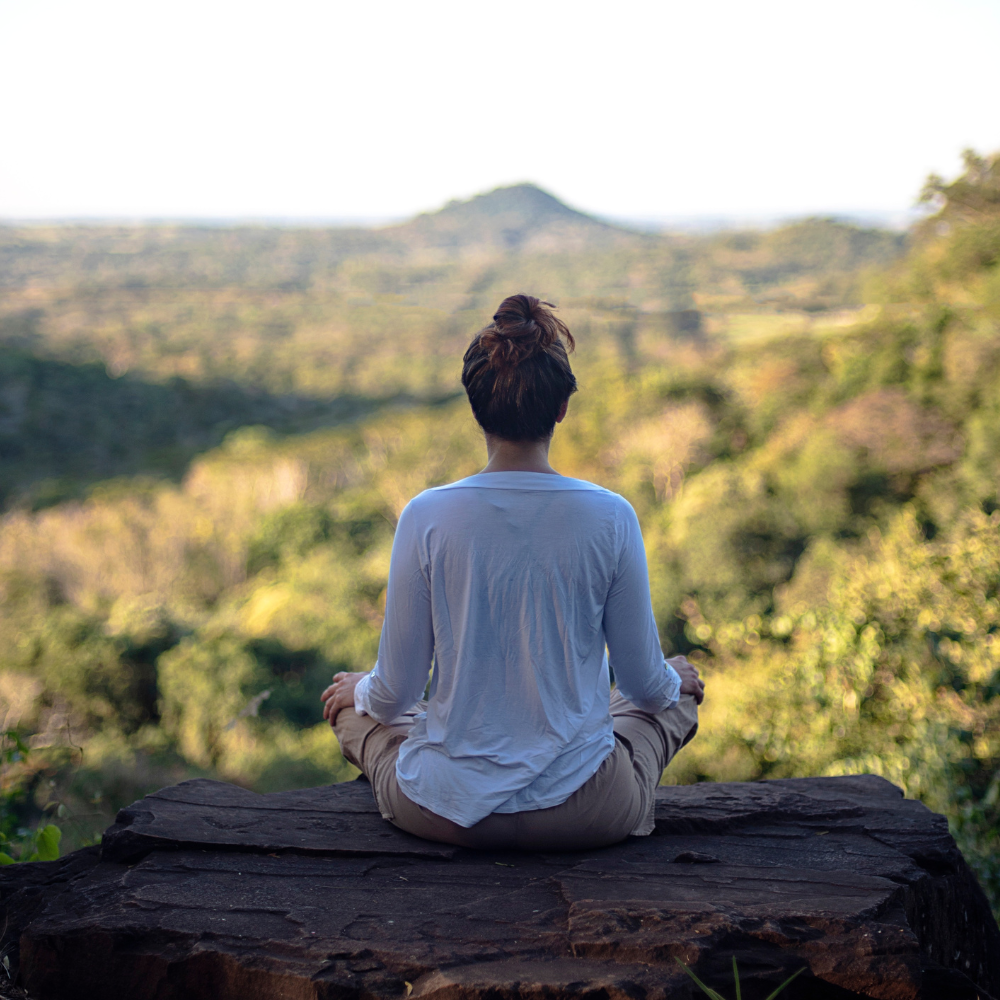
-
“What’s one thing I did today that made me proud?”
-
“What thoughts are circling my mind right now?”
-
“What’s something small I can appreciate today?”
Nature-Based Mindfulness
Being present in nature, even just sitting outside, can boost mood and reduce cortisol. Activities like walking mindfully in a garden can be similar to the 5-4-3-2-1 Grounding Technique, where you can observe the colors and textures of leaves, or listen to the birds to help you with self-regulation and being in the moment more.
Mindfulness isn’t about achieving perfection or eliminating all stress—it’s about creating space to breathe, feel, and heal. By incorporating these practices into your daily routine, you can cultivate resilience and find moments of peace amidst life’s challenges.
Remember, it’s okay to start small. Even a few minutes of mindfulness each day can make a significant difference in your mental well-being.
We’d love to hear from you! What mindfulness techniques have you tried? What works best for you? Share your experiences and tips in the comments below.
The content of this article is for informational purposes only and is not intended to be a substitute for professional medical advice.