

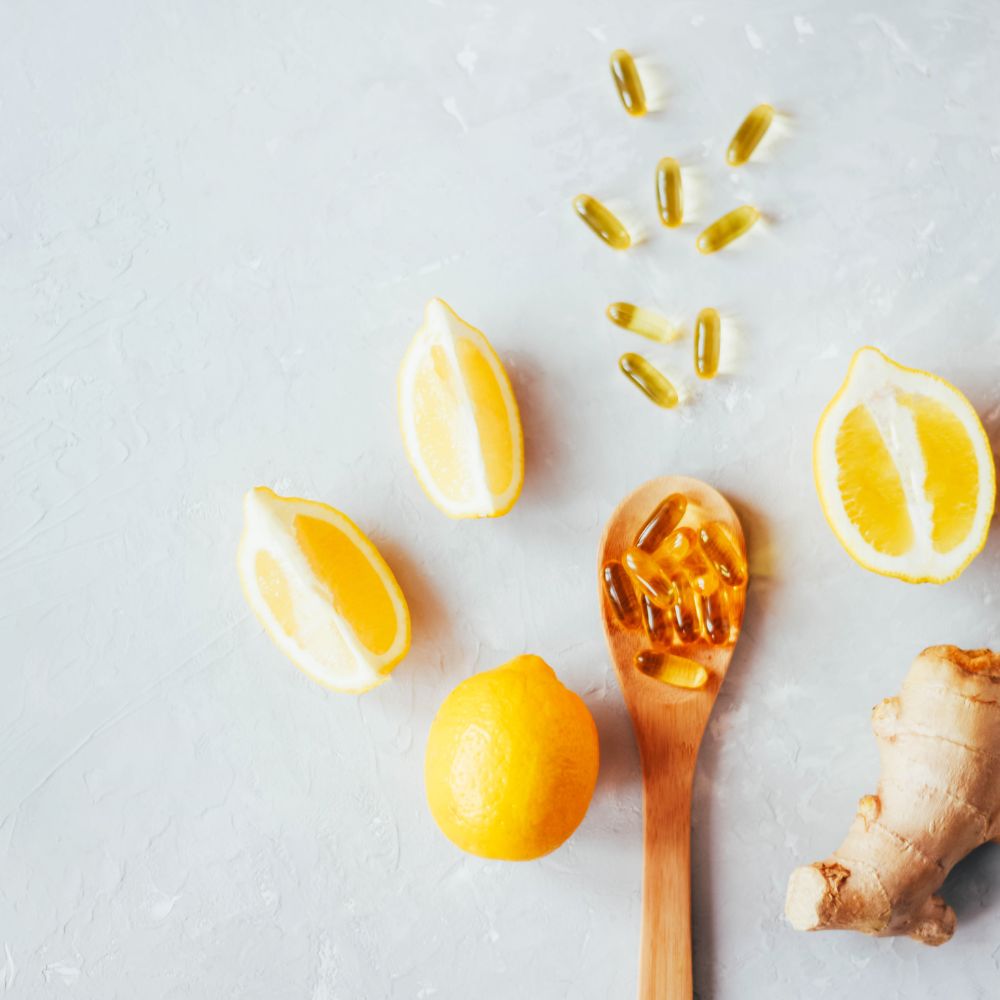
 As we reach midlife, maintaining a strong immune system becomes more important than ever. Our body’s natural defenses can weaken over time, leaving us more vulnerable to illness and fatigue. Thankfully, with the right combination of vitamins, supplements, and lifestyle changes, you can give your immunity the boost it needs.
Essential Vitamins and Minerals for Immunity
Vitamin C
Vitamin C is a powerful antioxidant that plays a key role in immune defense by supporting various cellular functions. It helps stimulate the production of white blood cells, which are essential for fighting infections. Foods rich in vitamin C include citrus fruits, strawberries, bell peppers, and broccoli.
According to a study published in the journal Nutrients, adequate vitamin C intake is associated with reduced risk and severity of respiratory infections. For those unable to get enough from their diet, a daily supplement of 500-1000 mg can be beneficial.
Vitamin D
Vitamin D is crucial for activating immune system defenses. It enhances the pathogen-fighting effects of monocytes and macrophages—white blood cells that are important parts of immune defense—and decreases inflammation. Natural sources of vitamin D include fatty fish, fortified dairy products, and exposure to sunlight.
A deficiency in vitamin D is linked to increased susceptibility to infections. Research from the Journal of Investigative Medicine highlights that supplementation with vitamin D can improve immune function and reduce the incidence of flu and other respiratory conditions.
Zinc
Zinc is an essential trace element necessary for immune cell development and communication and plays a vital role in inflammatory responses. It’s found in foods like meat, shellfish, legumes, and seeds.
A review in Molecules suggests that zinc supplements may reduce the duration of cold symptoms by inhibiting viral replication. The recommended daily allowance for zinc is 8 mg for women and 11 mg for men, which can be obtained from diet or supplements if necessary.
Vitamin E
Vitamin E acts as a potent antioxidant that helps combat oxidative stress, which can weaken immune cells. Nuts, seeds, and spinach are excellent sources of vitamin E.
Research in the Journal of Clinical Medicine indicates that vitamin E supplementation can enhance immune responses, particularly in older adults, by protecting immune cells from damage.
Beneficial Supplements
Probiotics
Probiotics are live microorganisms that support gut health, where a significant portion of the immune system resides. Consuming probiotics through fermented foods like yogurt, kefir, and sauerkraut or taking a supplement can help maintain a healthy balance of gut bacteria.
A study in Frontiers in Immunology shows that probiotics can enhance immune function and reduce the incidence of respiratory and gastrointestinal infections.
Elderberry
Elderberry supplements are derived from the fruit of the Sambucus tree and are known for their immune-boosting properties. Elderberry is believed to inhibit the growth of viruses and reduce inflammation.
Research published in the Journal of Functional Foods demonstrates that elderberry supplementation can decrease the severity and duration of cold and flu symptoms.
Lifestyle Changes for a Stronger Immune System
Regular Exercise
Engaging in regular physical activity helps improve cardiovascular health, lower blood pressure, and maintain a healthy weight—all of which contribute to a robust immune system. Moderate exercise, such as brisk walking, for at least 150 minutes a week is recommended by the World Health Organization.
A study in Exercise Immunology Review highlights that regular, moderate exercise reduces inflammation and improves immune regulation.
Stress Management
Chronic stress can suppress the immune response by releasing cortisol, which reduces the body’s ability to fight off antigens. Practicing stress management techniques such as meditation, yoga, and deep-breathing exercises can help bolster your immune function.
The Annual Review of Immunology discusses how stress management can positively impact immune health and lower the risk of chronic diseases.
Adequate Sleep
Quality sleep is essential for immune health. During sleep, the immune system releases proteins called cytokines, which help promote sleep and fight infection. Adults should aim for 7-9 hours of sleep per night.
According to a study in Sleep, individuals who do not get enough sleep are more susceptible to illness after exposure to viruses, highlighting the importance of sleep for immune function.
Boosting immunity in midlife requires a balanced approach that includes the right vitamins, supplements, and lifestyle changes. By focusing on nutrition, maintaining a healthy lifestyle, and staying informed about your body’s needs, you can strengthen your immune system and improve your overall well-being.
The content of this article is for informational purposes only and is not intended to be a substitute for professional medical advice.