
 Caregiving is one of the most selfless and challenging roles a person can take on, especially when caring for someone facing a life-threatening illness like cancer. However, amidst the daily tasks of managing medications, appointments, meals, and providing emotional support, caregivers often neglect taking care of themselves and their well-being. Over time, this can lead to caregiver burnout, a condition marked by physical, emotional, and mental exhaustion.
Burnout is an insidious process that occurs over time, and can be compared to the boiling frog metaphor. If a frog is suddenly placed in boiling water, it will immediately try to jump out to save itself. However, if a frog is placed in lukewarm water that is gradually heated over time, the frog may not perceive the danger and will not react in time to save themselves.
Caregivers often juggle numerous responsibilities while caring for their loved ones, making it easy to overlook the signs of mounting stress. Like the second frog in the boiling water metaphor, they may not recognize the danger until the consequences become unavoidable. Achieving a healthier balance starts with recognizing the early warning signs and adopting strategies to prevent or manage burnout effectively.
Emotional Impact
One of the most significant issues that caregivers are confronted with is the emotional toll. It’s not just about managing the physical needs of a loved one; it’s also about supporting a loved one emotionally and that can come with a psychological cost.
For caregivers of cancer patients, there’s often a rollercoaster of emotions—hope, fear, anxiety, frustration, resentment, grief, and more—can be overwhelming and hard to admit. However, if caregivers do not acknowledge and process all of their emotions, it can lead to other issues like lack of sleep, illness, changes in eating and more.
According to the Family Caregiver Alliance, caregivers are more likely to experience depression and anxiety than non-caregivers, with as many as 40-70% of caregivers reporting significant depressive symptoms. The ongoing stress of caregiving can result in emotional exhaustion, making it even harder to meet the relentless demands of the role.
Physical Exhaustion and Health Risks
Many caregivers prioritize others’ needs over their own, often sacrificing sleep, proper nutrition, and regular exercise in the process. The Family Caregiver Alliance notes that caregivers are at increased risk for chronic conditions, such as heart disease and diabetes, due to the sustained physical and emotional strain they endure.
Studies also show that caregivers often experience a weakened immune system, leaving them more vulnerable to illness. The constant demands of caregiving can leave little time for self-care, which further exacerbates the physical toll.
Suffering in Silence
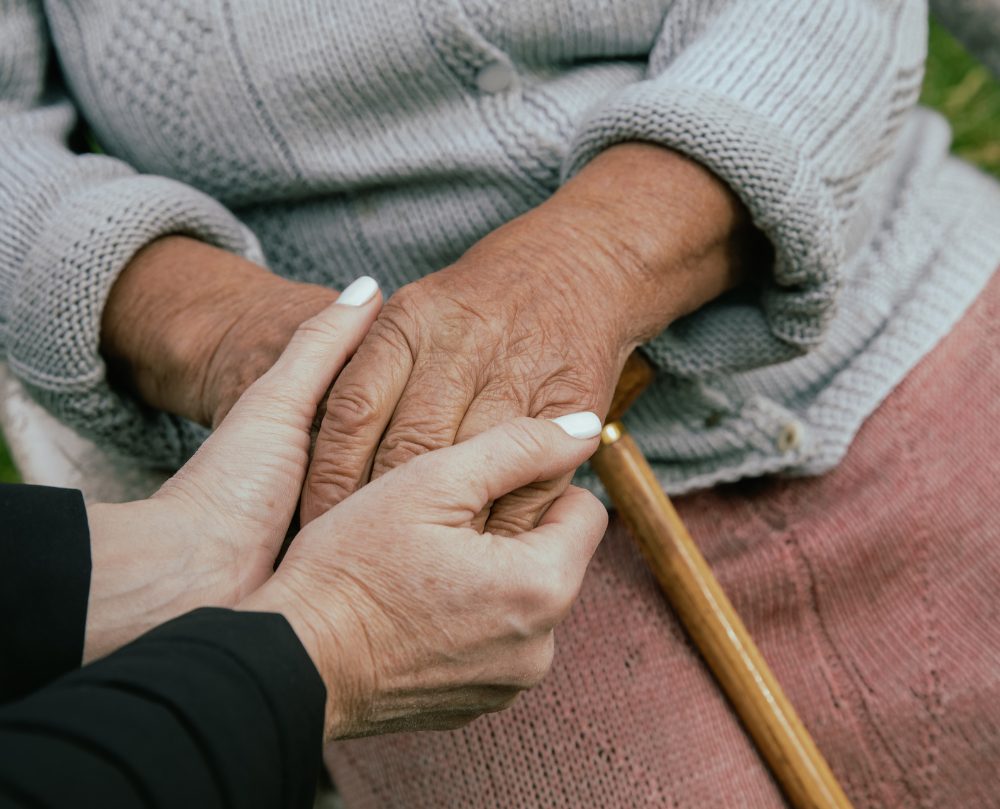
Despite being a common issue, caregiver burnout is often overlooked, with many caregivers suffering in silence. It is important to recognize the signs of burnout which may include emotional exhaustion, physical fatigue, feeling easily frustrated or irritable, social withdraw, feelings of guilt or hopelessness, changes in appetite or sleep patterns and a decline in the caregivers own health due to ignoring personal health needs. Some causes that often lead to burnout are long-term stress, unrealistic expectations, lack of external support, financial strain and role confusion due to the shifting relationship dynamic.
Preventing or Managing Caregiver Burnout
There are a variety of ways caregivers can prevent or manage burnout, these include:
- Setting Realistic Goals: Understand what you can and cannot do. Don’t be afraid to ask for help or delegate tasks. For example, it is unrealistic to think that you can continuously sacrifice sleep in order to achieve your goals. This can lead to more mistakes being made and a decrease in health. In contrast, a more attainable goal may be to fill out a weekly planner, so you can ask others to help out a head of time.
- Building a Support Network: Join a support group for caregivers, reach out to friends and family, or seek professional counseling where you can be honest about how you’re feeling.
- Taking Time for Yourself: Even small breaks can help—walks, meditation, hobbies, or any activities that help you recharge.
- Accepting Help: When others offer assistance, don’t hesitate to take them up on it, whether for household tasks or providing care.
- Prioritizing Self-Care: Make time for regular medical checkups, sleep, nutrition, and exercise. Self-care can also be listening to music, taking a relaxing bath, coloring, being in nature, getting a massage, calling a friend, practicing mindfulness, or cuddling with your pet.
- Hiring Respite Care: Explore respite care services, which provide temporary relief by allowing a professional to take over care duties.
- Setting Boundaries: Understand your limits, and be clear about what you can and cannot do, both to yourself and to others.
- Practicing Mindfulness: Techniques like deep breathing, yoga, and meditation can help manage stress levels.
Finding Balance
Taking the time to care for oneself isn’t selfish—it’s essential. Caregivers often pour so much energy into supporting others that they forget the foundation of effective caregiving starts with their own well-being. Prioritizing personal health and emotional resilience allows caregivers to recharge, reduce stress, and maintain the strength needed to navigate their demanding roles.
Simple steps, like setting boundaries, seeking support, and practicing self-compassion, can make a significant difference. By recognizing the importance of their own needs, caregivers not only improve their own quality of life but also create a more sustainable path to providing better care for their loved ones.
The content of this article is for informational purposes only and is not intended to be a substitute for professional medical advice.